module

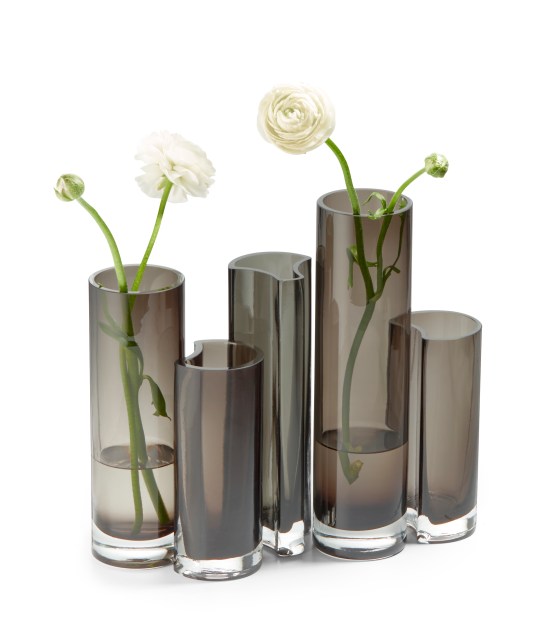
Module vase set for german brand Philippi.

The design is based on three basic shapes that can be combined as desired. The timeless shapes mean that the pieces can be used together or on their own, offering a wide range of applications.

The version with the two curves can also be used as a watering can to fill the other vases.

The combining of the individual glasses and the colouring of these creates an interesting interplay of shapes, depending on how the light refracts in the glasses. This makes it a playful and visually appealing accessory.

thread of time

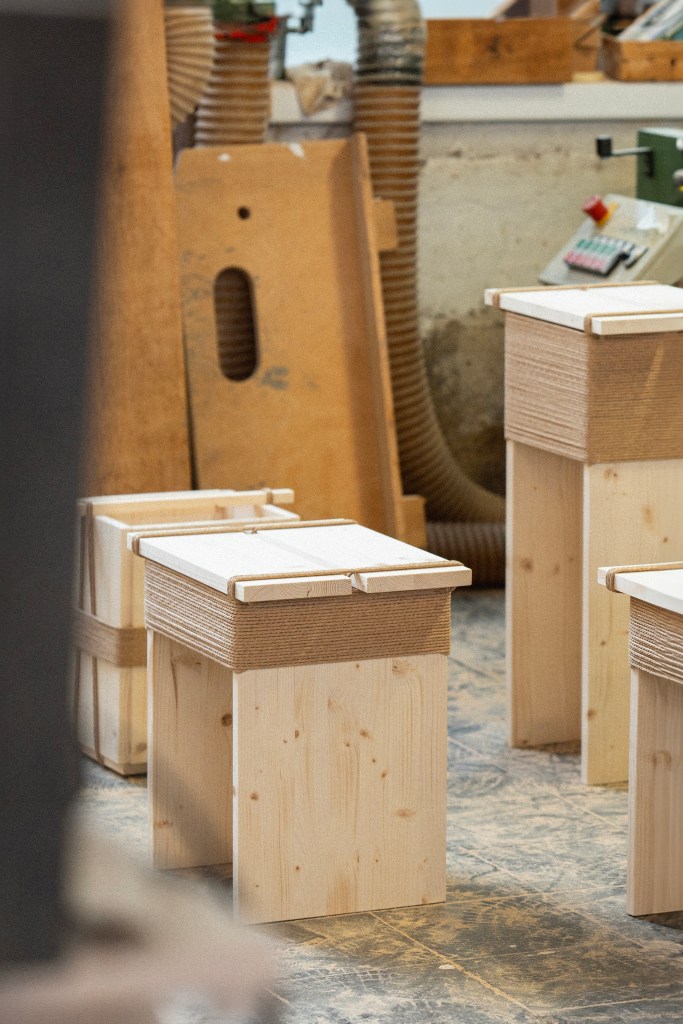
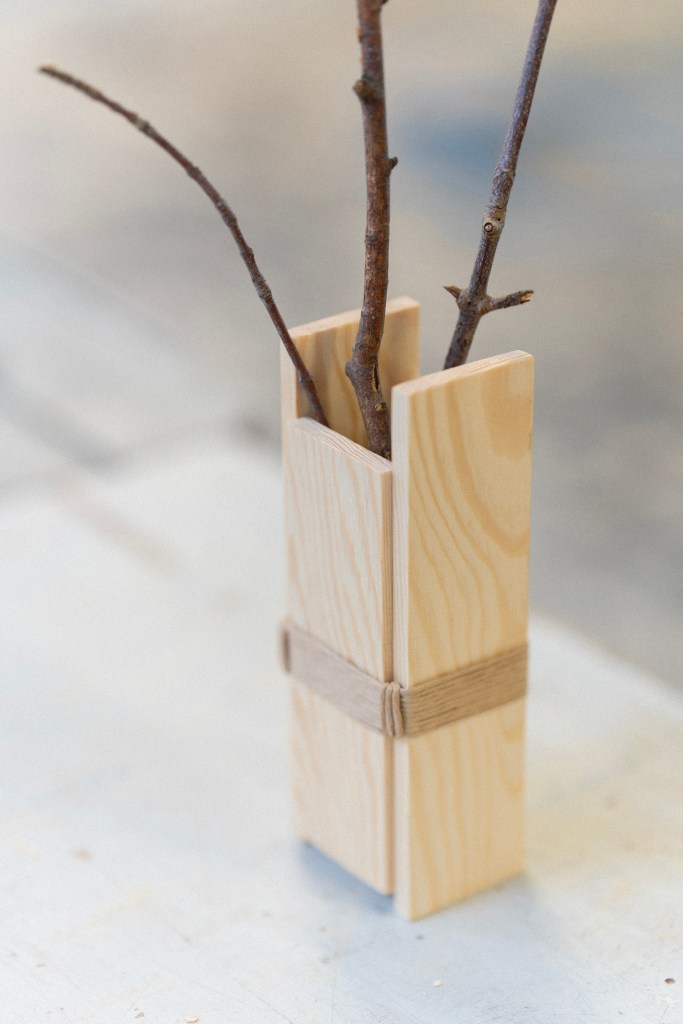
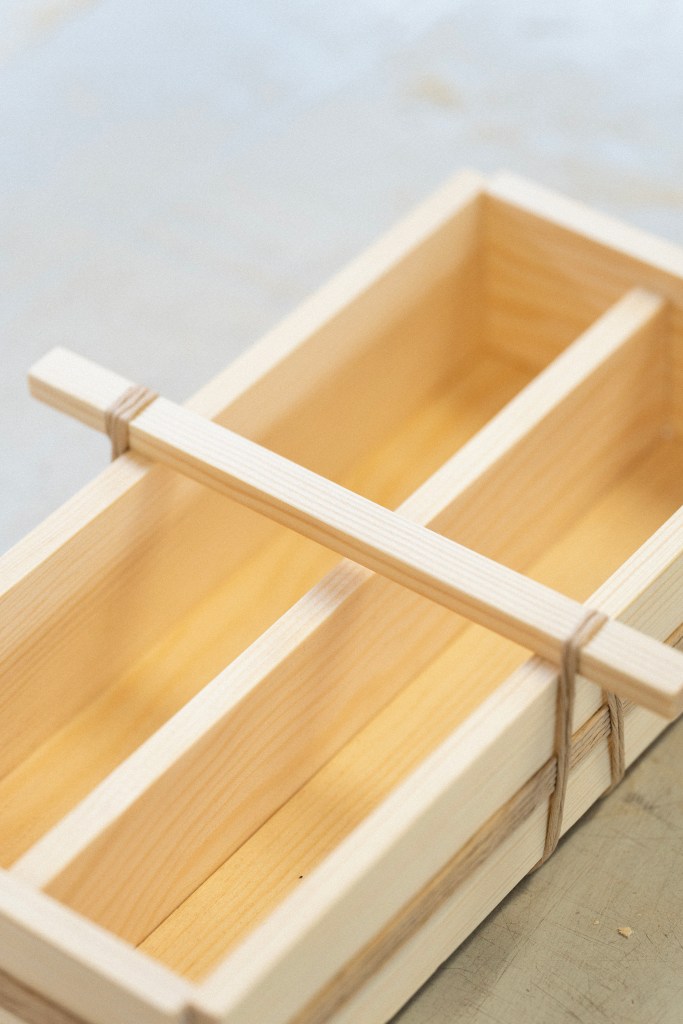
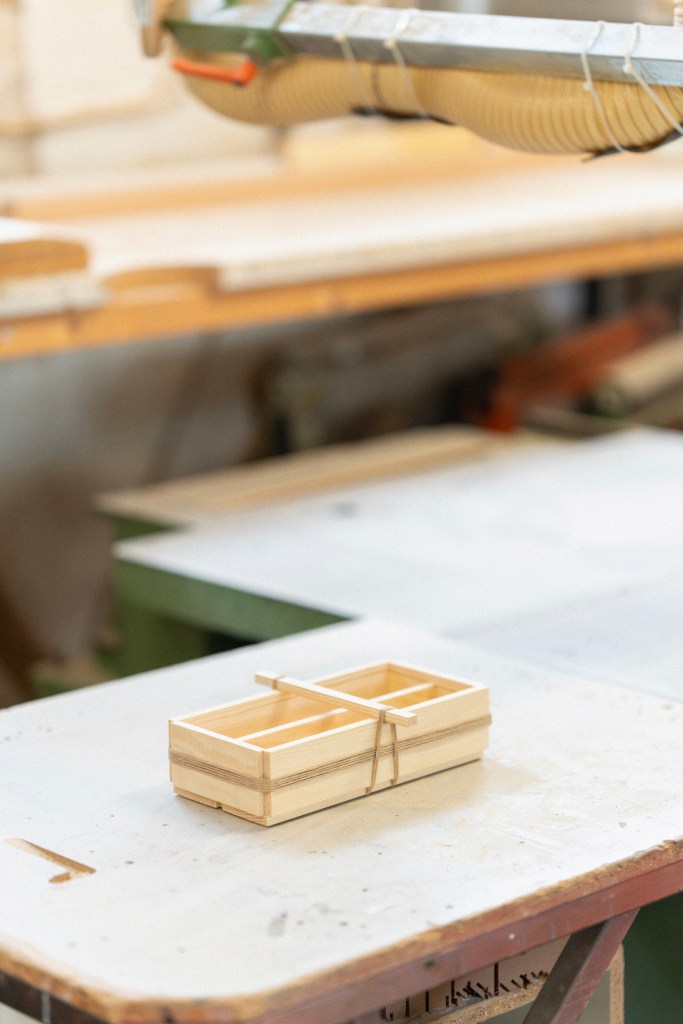
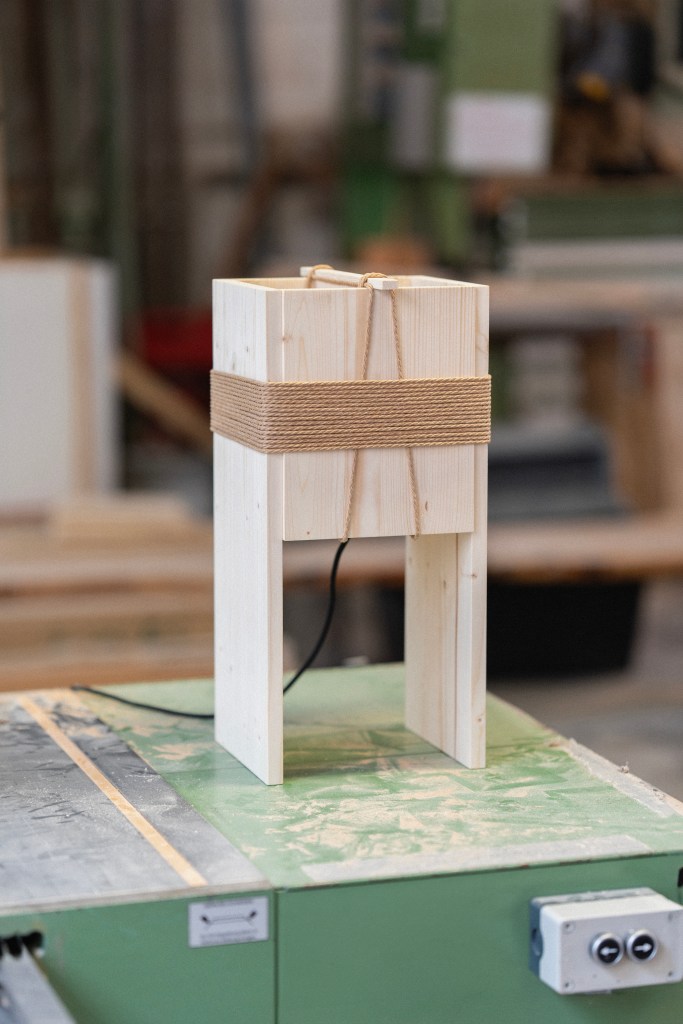
“Thread of Time” translates the principles and rope techniques of boy scout furniture into contemporary design using only rope, without nails, screws or glue. As soon as the knots are untied, the objects disintegrate and their former identity becomes unrecognisable. The rope allows for a continuous reshaping and utilisation of resources to ensure that materials never reach their final, irreversible form in one object and can instead be reshaped again and again. On the one hand, the project emphasises the importance of material and connecting elements for sustainability, reusability and recyclability, and on the other, it questions our understanding of object, ownership and time.

The project was realized while participating in the “Designers in Residence” programme by EMMA Kreativzentrum in Pforzheim.

With support from FDB Møbler and Schreinerei Wörtz.

Photos and Videos by 2R Filmproduktion.

Following my family’s tradition, I joined the boy scouts at a young age. The many hours I spent in nature not only shaped my personality, but also had a decisive influence on my path as a designer.
In the Scouts, I learnt to respect nature and to live in harmony with it. A special part of this experience were the camps, where we built temporary shelters, kitchens and furniture using simple means such as rope and tree trunks. The aim was always to dismantle these structures at the end of the stay and reuse the materials. This principle of sustainability and reuse is still a central component of my design approach today.
With this project, I am consciously returning to these roots. I am working intensively with traditional rope techniques and questioning our modern understanding of objects, ownership and time. The resulting works are a tribute to the essence of simple, functional and sustainable construction that I learnt in my youth.

stapelhaus

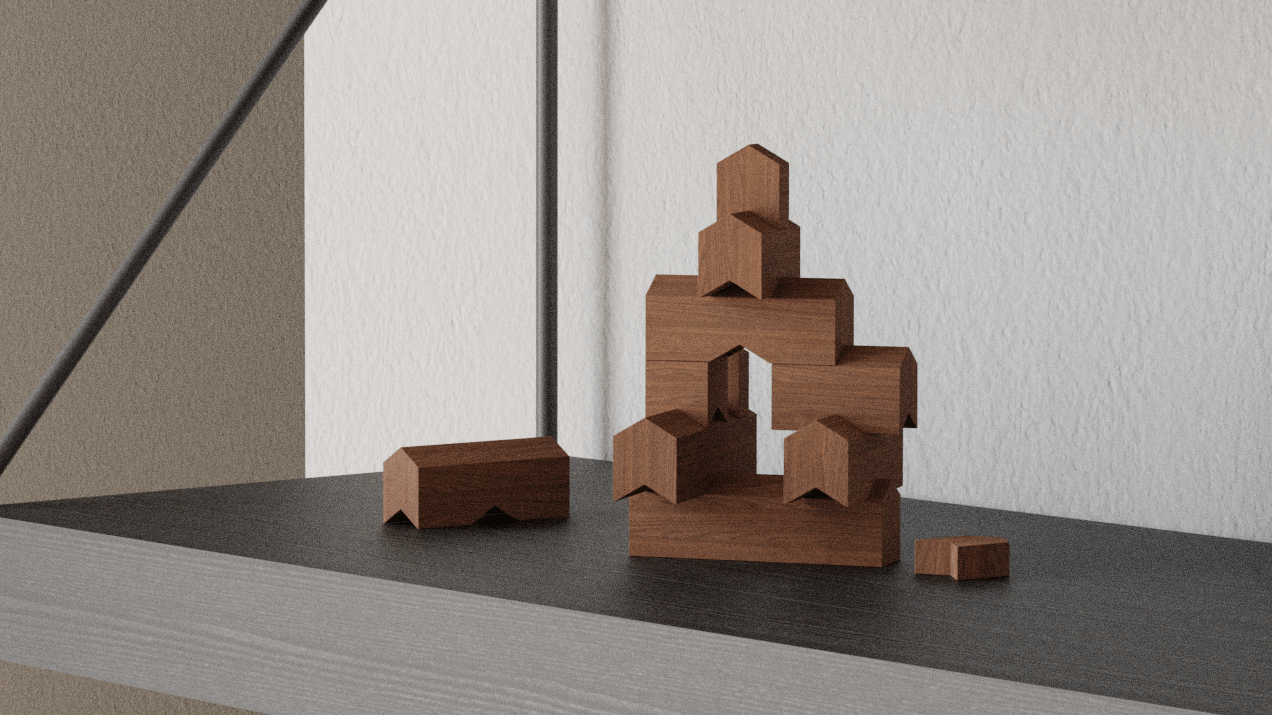
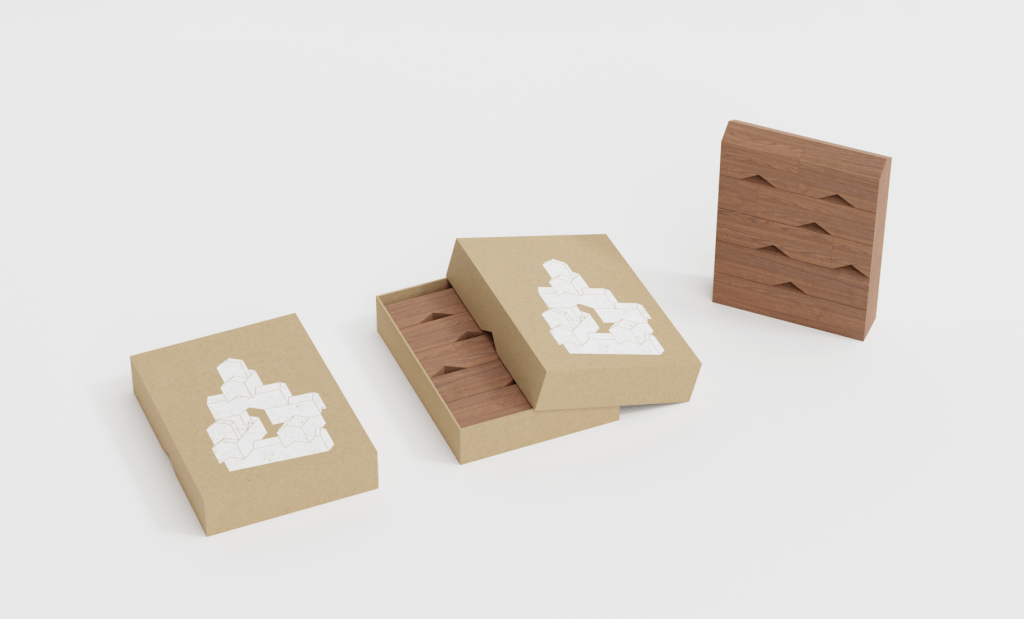
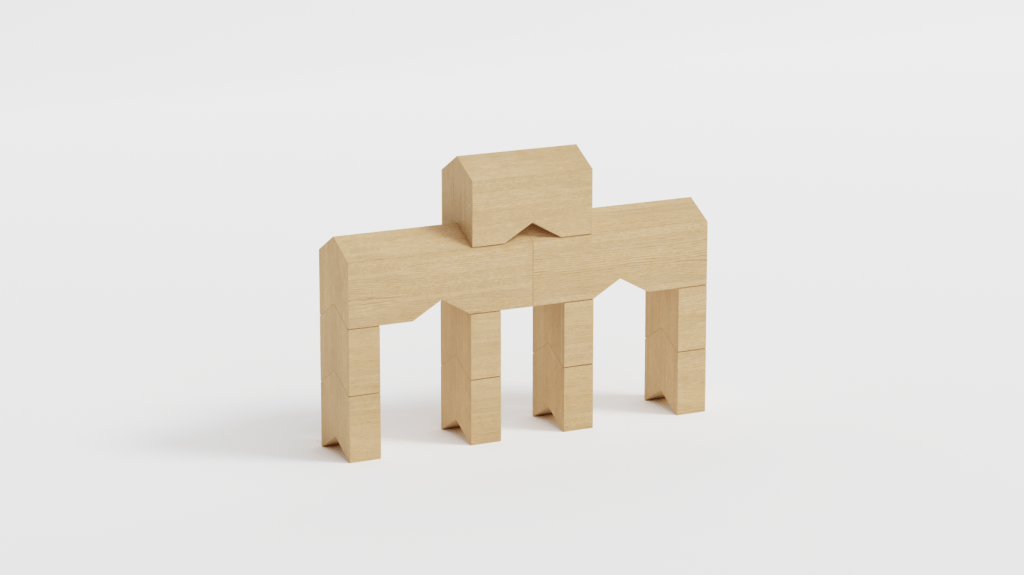
The “Stapelhaus” – stacking houses are a set of building blocks that can be used to create fantastic buildings and small architectural works. Inspired by the Architecture of the VitraHaus on the Vitra Campus in Weil am Rhein, the small houses serve as both a toy and a modern accessory.

The stacking houses have a notch on the underside and a notch in the centre that runs across the house. This means that each house can be stacked in both directions.

Only the base house has no notches to provide more stability and a simpler look.

kazai.

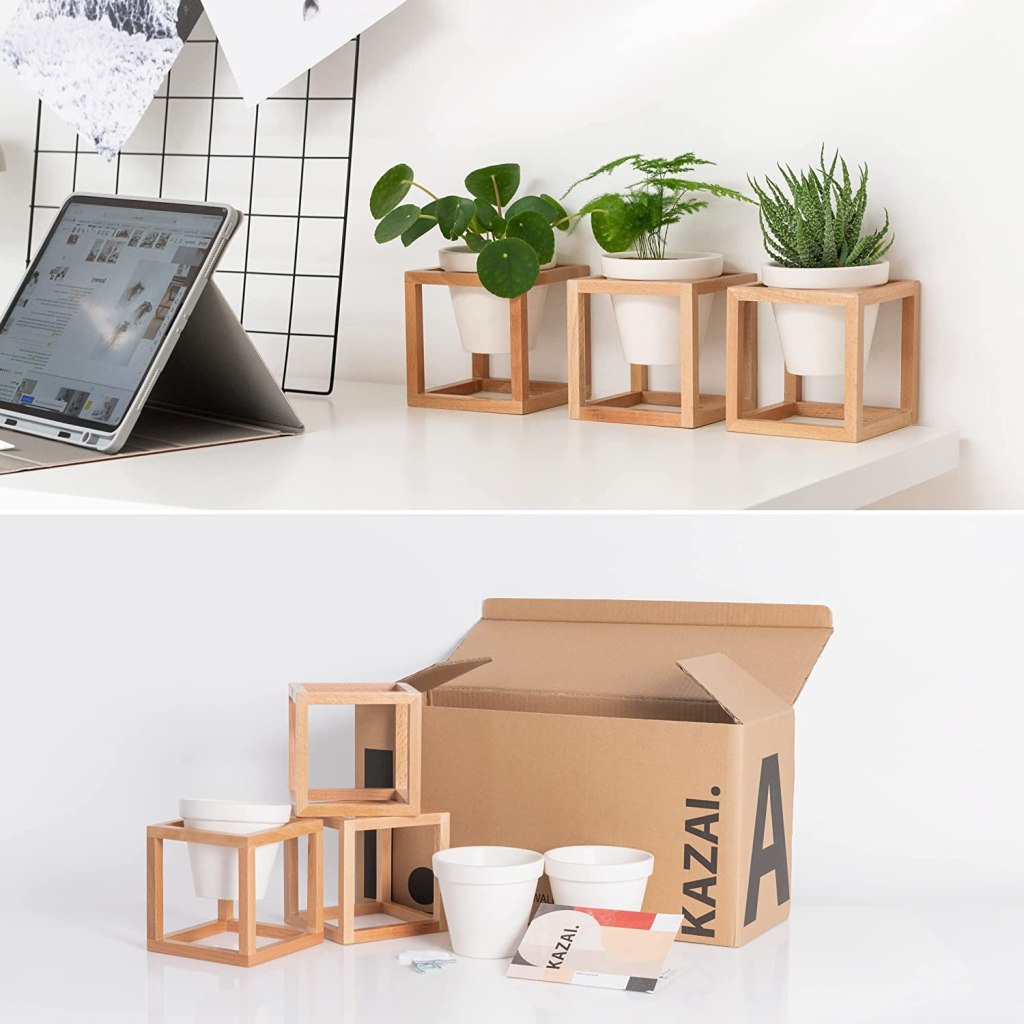
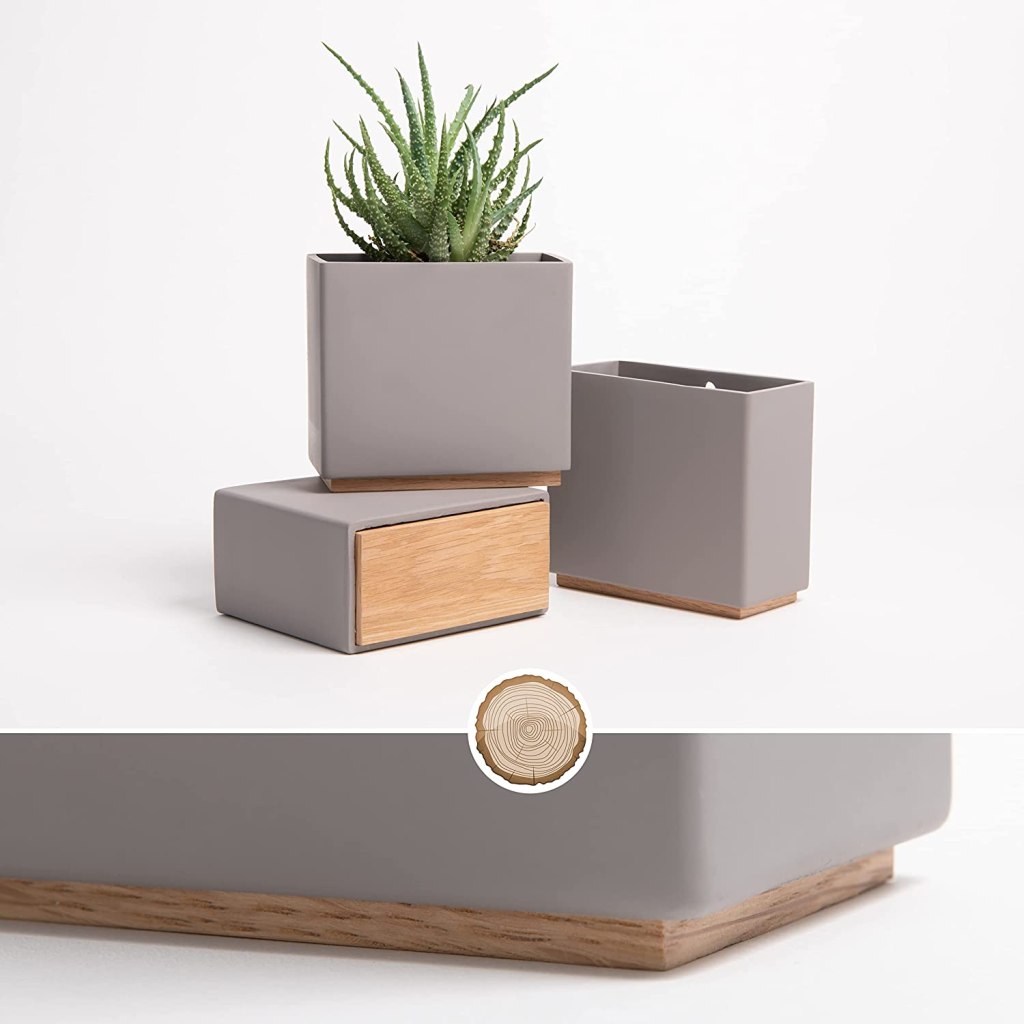
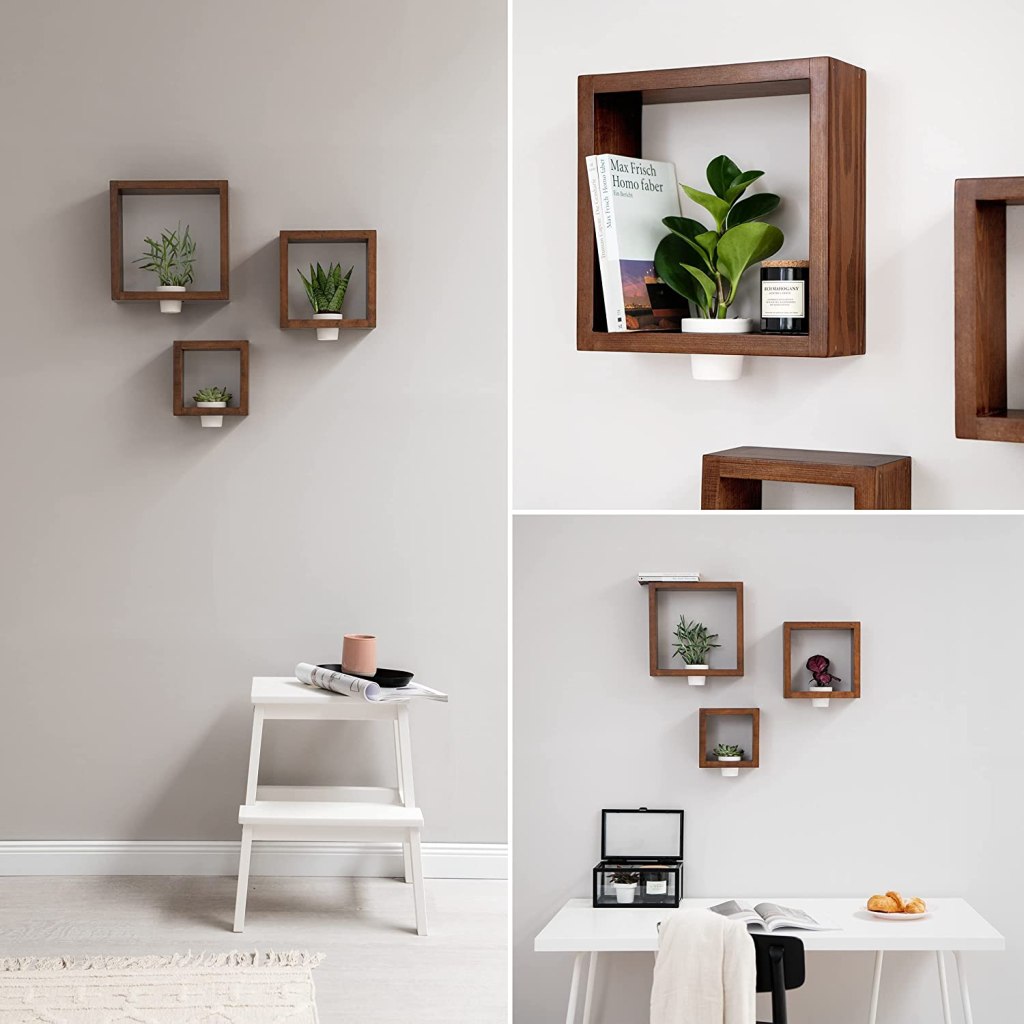
mtc commerce was founded with the idea of making high-quality products accessible to a broader mass. Thomas and Marko Prokot (founders) saw a big gap between cheap dropshipping and expensive brand products. Good design should be affordable and yet not skimp on quality. Under the brand Kazai. mtc has been selling products on various online platforms, with the main focus on Amazon, with great success since 2020. The collection mainly consists of home accessories and small furniture and is constantly growing.
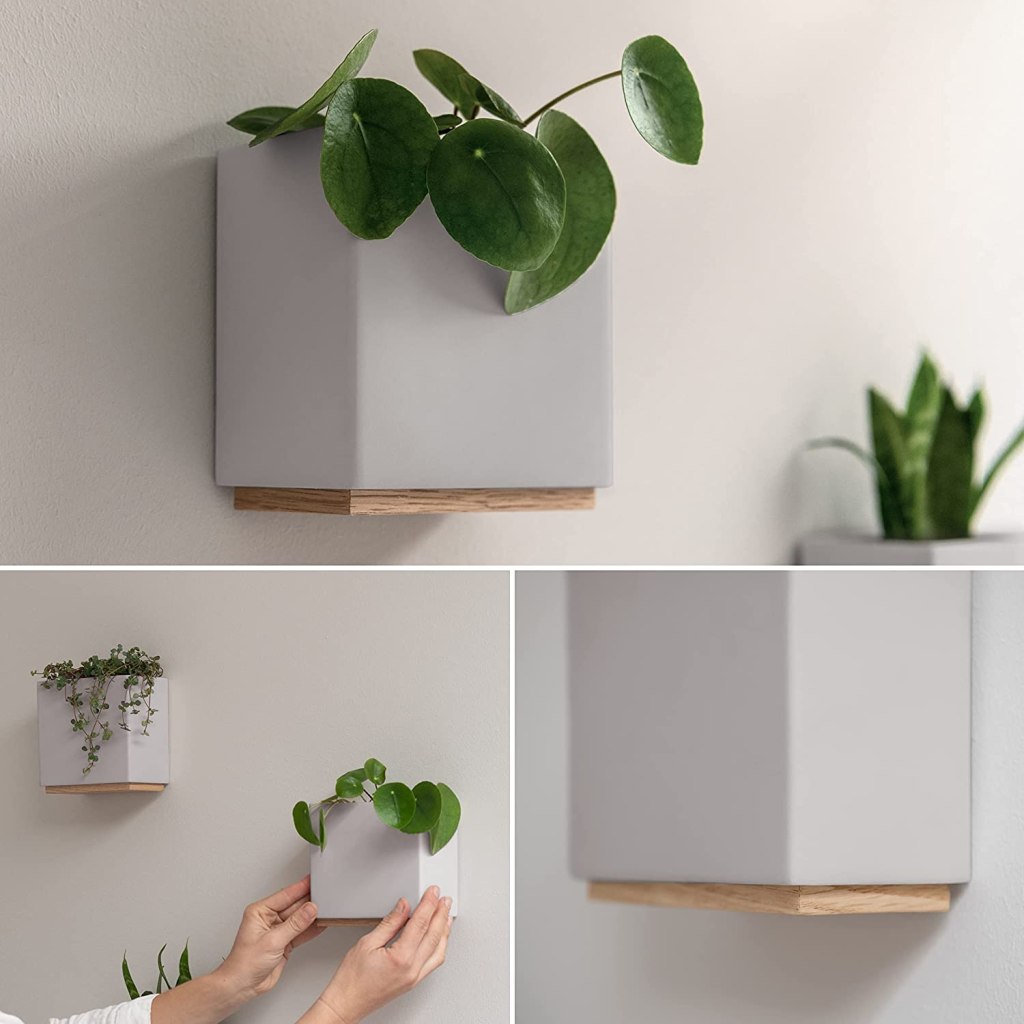
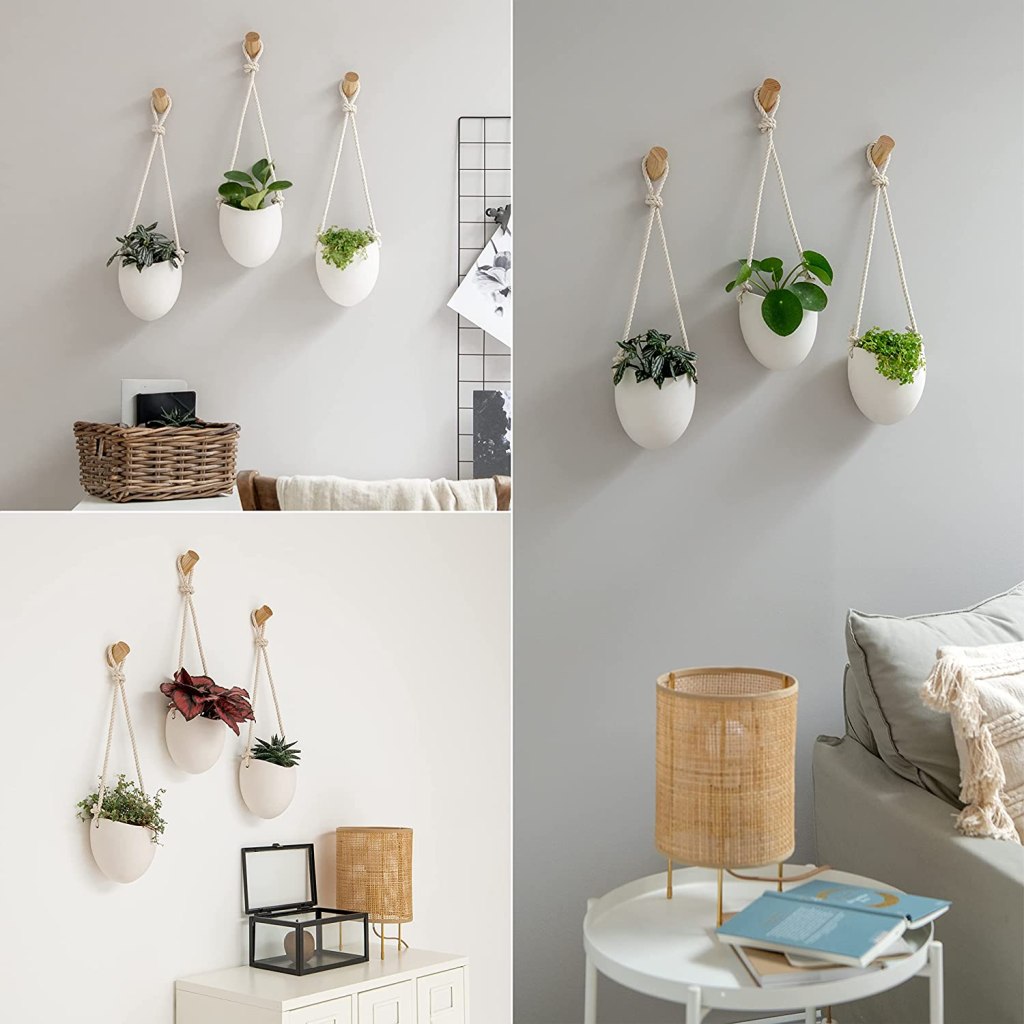
As a product designer, my main focus was product development. This included research, market analysis, design, model making and 3D visualisation. In addition, there was the exchange with international producers, the preparation of production data, as well as quality control and project planning.

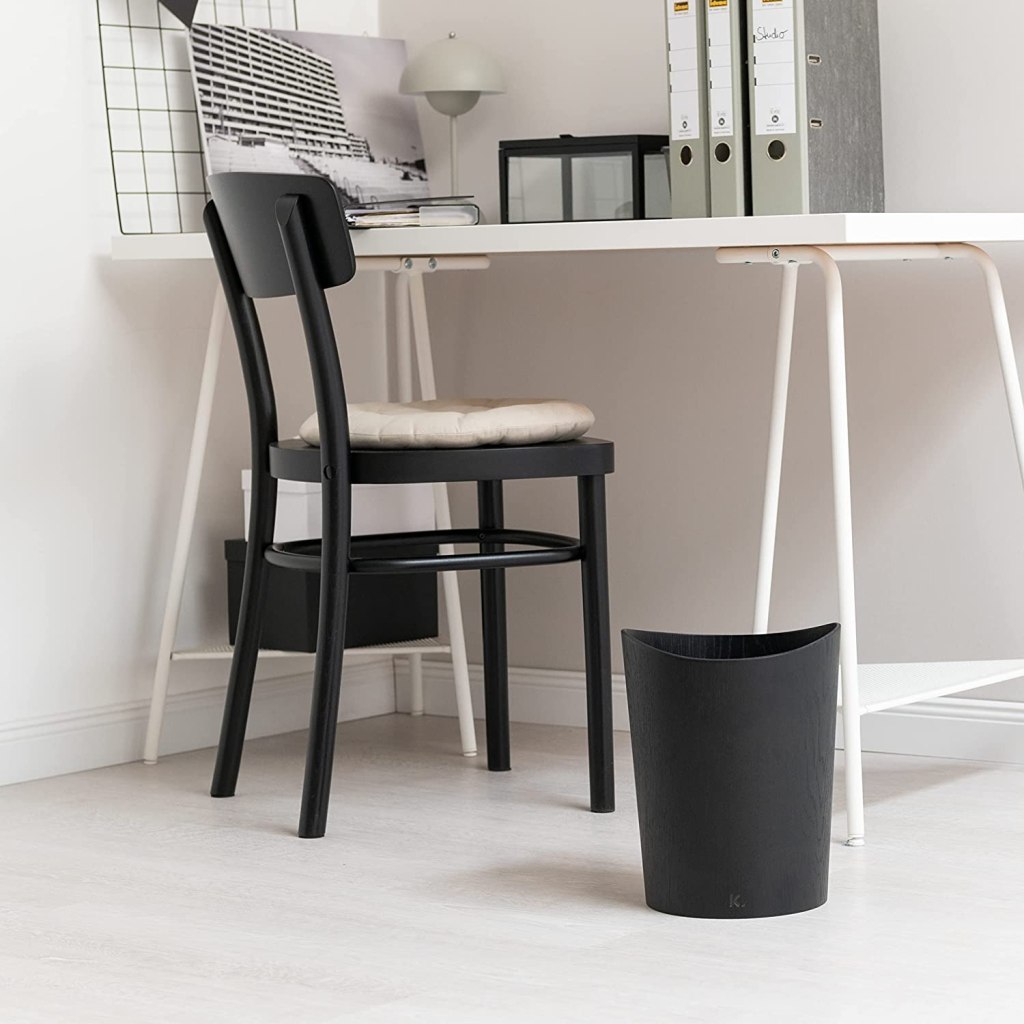
Börje / Papierkorb aus Holzfurnier
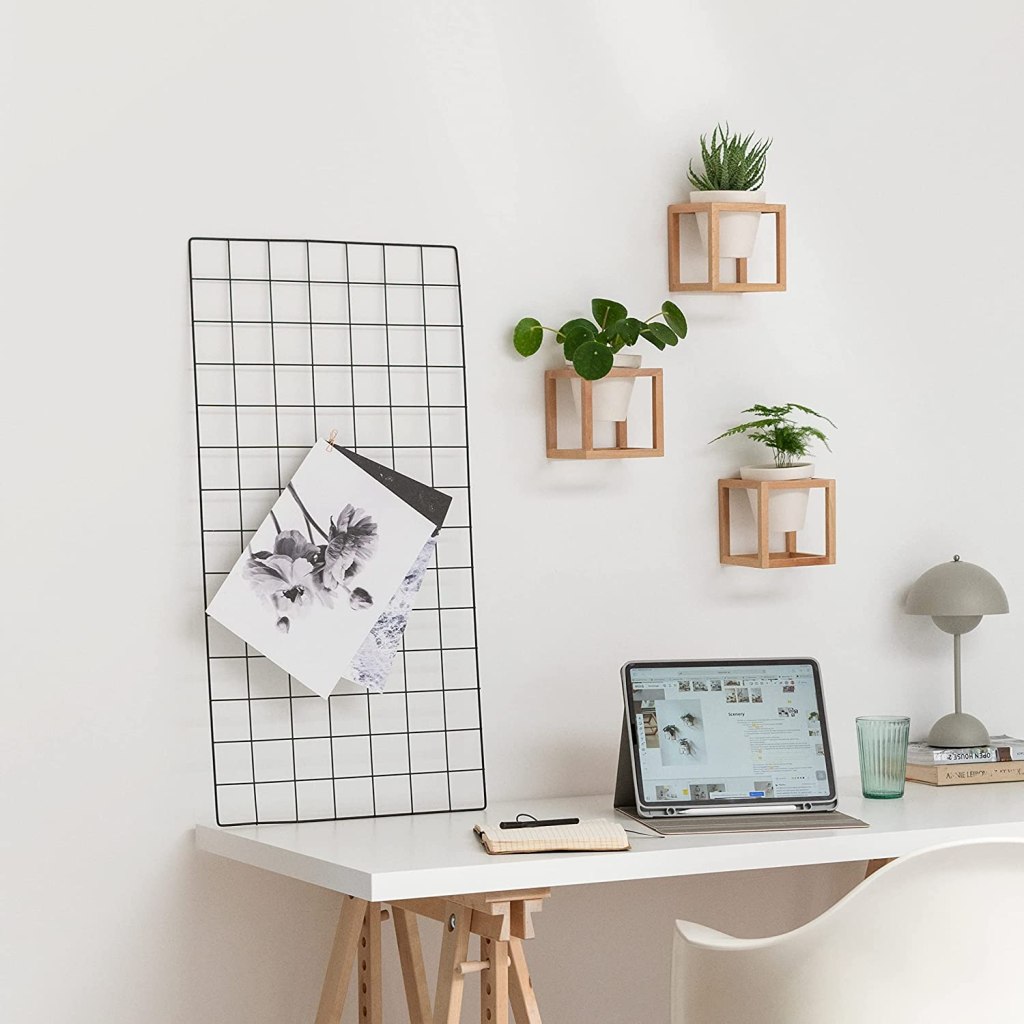
Lille / Wand- und Tischdekoration mit Topf
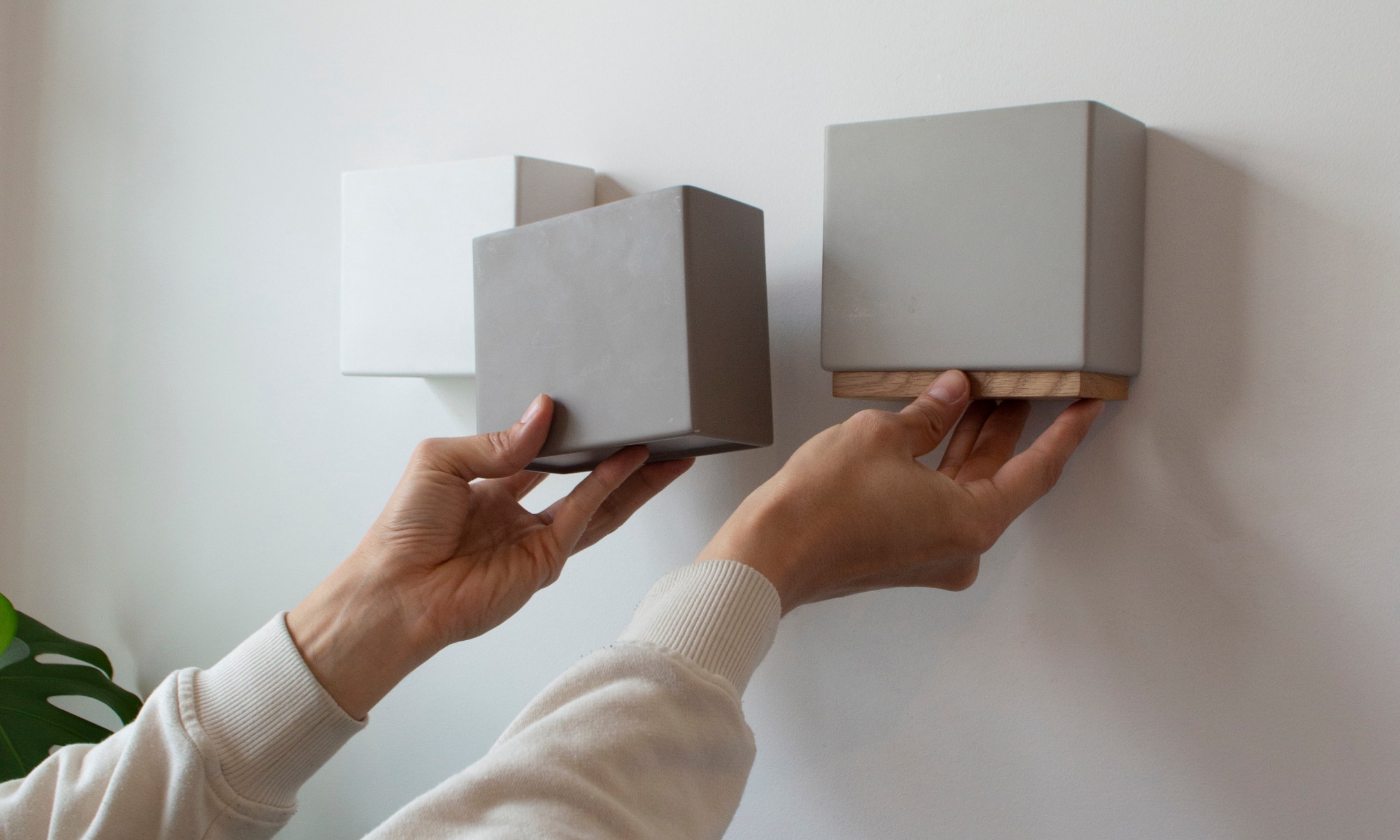
Alma / Wandvase
Alma / Wandvase
Wandvase aus Porzellan
Wanddekoration mit Blumentopf

korkon

in cooperation with Büro Famos and Cornelius Reer / teamwork with Pia Hackner

Nominated, GreenProductAward 2019

3. Place, International Glassdesign-Competition, Harzkristall

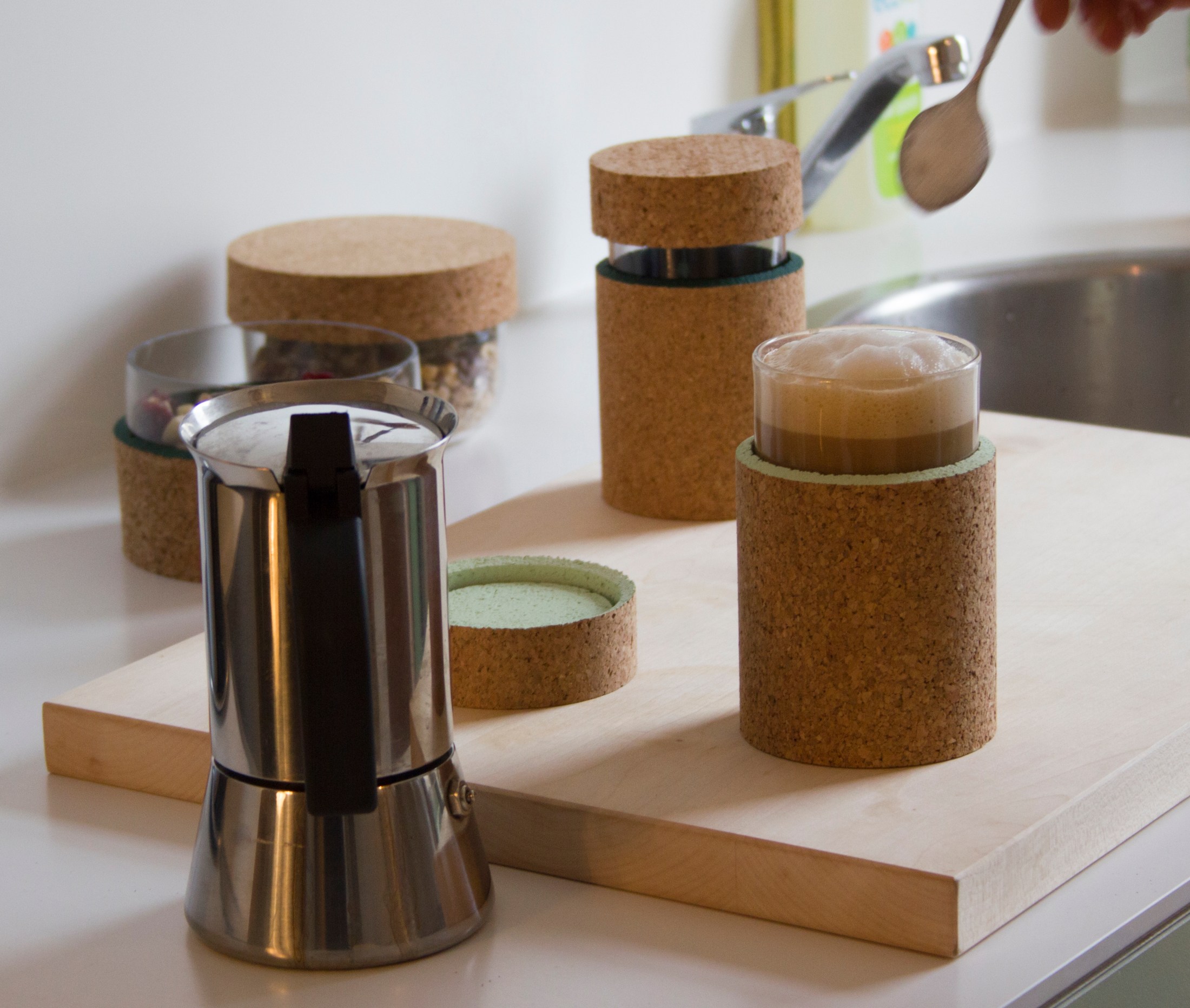
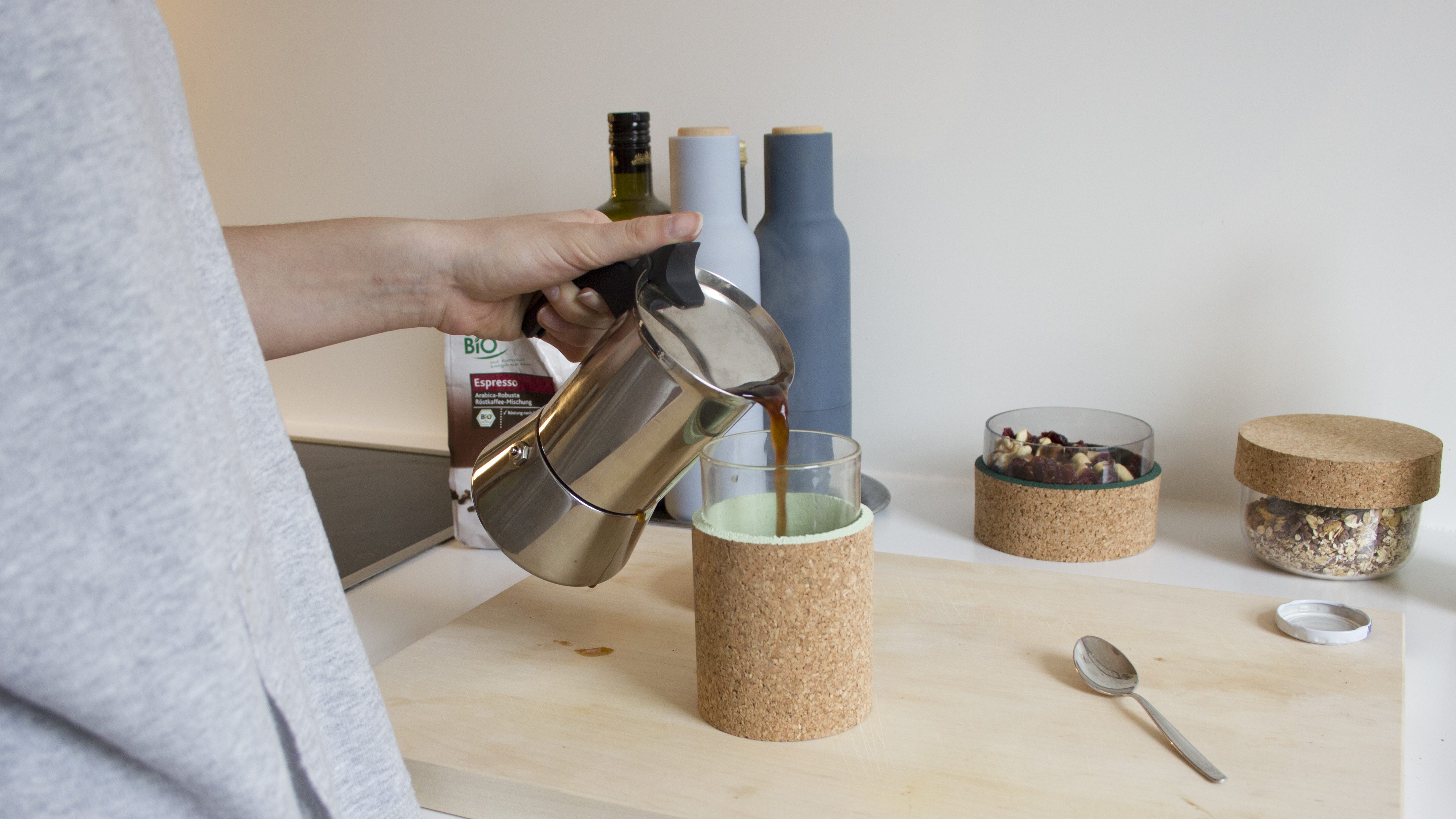
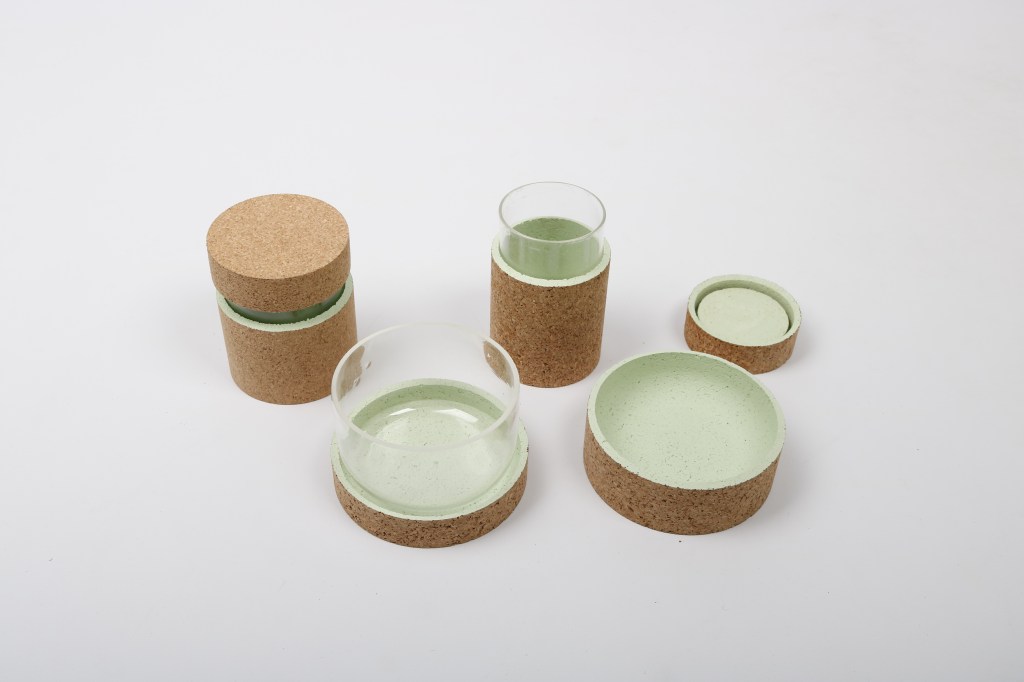
Cork and glass merge into one to become versatile storage containers, cereal bowls or drinking vessels. The hand blown glass is an elegant way to hold groceries or beverages, whereas the cork doubles as insulation and gripping surface. Subtle coloration was applied along the edges and inside walls of the cork shells to define their geometry more clearly.